
Can Peptides Support Appetite & Craving Control?
-
PepEurope
- Posted on
- 0 comments

Exploring how to support appetite peptides can influence hunger, cravings, and eating behavior in 2025
A healthy appetite is essential for balanced eating behavior. When appetite signals function correctly, your body naturally guides you on when to eat and when to stop. However, stress, hormonal fluctuations, sleep disturbances, and exposure to ultra-processed foods can disrupt these signals, leading to overeating or uncontrolled cravings.
Supporting appetite means:
- Helping the body regulate hunger and fullness more efficiently
- Promoting stable hunger patterns throughout the day
- Improving portion control and mindful eating
- Reducing emotional or stress-driven eating episodes
- Minimizing late-night cravings and maintaining balanced energy levels
According to the National Institutes of Health, proper appetite support relies on coordinated communication between hormones, the gut, and the brain’s reward systems, ensuring healthier long-term eating behaviors.
Can Peptides Really Support Appetite & Craving Control?
Yes certain peptides can effectively support appetite and craving control by mimicking the body’s natural hunger-regulating hormones. Research from Medical News Today highlights that GLP-1–based peptides are among the most studied tools for appetite regulation. By targeting multiple pathways, these peptides help users manage hunger, improve fullness, and reduce cravings, making them a promising option for structured appetite support.
Appetite peptides influence:
- Hunger hormones: Reduce excessive signals that trigger eating.
- Fullness signals: Promote satiety and portion control.
- Stomach emptying: Slow digestion to maintain longer fullness.
- Blood sugar balance: Prevent spikes and crashes that drive cravings.
- Brain reward circuits: Reduce emotional and dopamine-driven overeating.
These combined effects help individuals regain control over eating patterns and support healthier, long-term dietary habits.
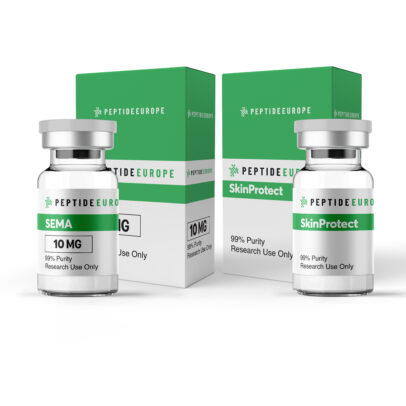
Sema Beauty & Slim (weight control / healthy skin)
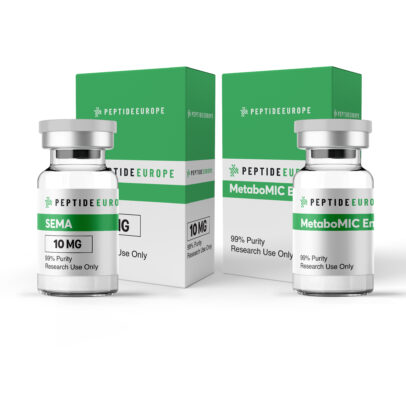
Sema Metabolic Boost (Appetite / Metabolism / Energy)
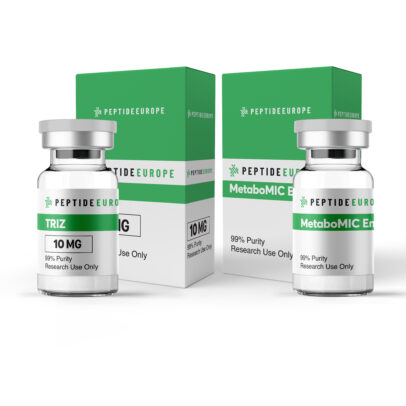
Metabolic Boost Duo (Appetite Suppression / Energy / Metabolism)
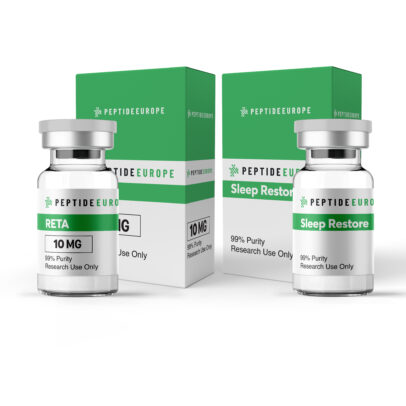
Sleep and Slim Pack (weight control / sleep regeneration)
How Do Appetite Peptides Work Inside the Body?
Appetite peptides function as signaling molecules that communicate between the gut, pancreas, and brain, helping regulate hunger and fullness naturally. By imitating hormones like GLP-1 and PYY, these peptides optimize the body’s internal appetite control, reducing excessive food intake and curbing cravings. Their multi-targeted action makes them particularly effective for individuals struggling with frequent hunger or emotional eating.
Mechanisms of appetite peptides:
- Mimic satiety hormones: Help you feel full sooner.
- Slow gastric emptying: Keeps you full longer after meals.
- Reduce ghrelin levels: Lowers “hunger hormone” signals.
- Balance insulin: Prevents blood sugar crashes that trigger cravings.
- Modulate reward pathways: Reduces emotional and dopamine-driven eating.
Together, these mechanisms create a more balanced appetite response, supporting sustainable eating habits and healthier weight management.
Which Peptides Are Most Commonly Used for Appetite and Craving Support?
Recent research and clinical studies highlight several peptides that effectively support appetite and craving control. These peptides work primarily by interacting with hormones that regulate hunger and satiety, helping users feel fuller for longer and reducing unhealthy cravings. Their effects are most noticeable when combined with healthy eating habits and regular physical activity, making them a valuable tool for sustainable weight management.
Top appetite & craving peptides:
- Semaglutide: Mimics GLP-1, helping reduce appetite and slowing gastric emptying.
- Tirzepatide: A dual GLP-1 and GIP agonist, providing strong craving suppression.
- Liraglutide: Enhances satiety and moderates overall food intake.
These peptides are widely recognized for their safety and effectiveness under medical supervision, and they form the foundation for modern appetite and craving support strategies.
Read here: Peptides Guide 2025: Types, Benefits & FDA Updates
How Do Craving Peptides Influence Eating Behavior and Food Motivation?
Cravings are often triggered by emotional stress, unstable blood sugar, or an overactive reward system in the brain. Craving peptides can help regulate these pathways by moderating signals that drive compulsive eating, reducing the desire for highly palatable foods like sweets, fast food, and high-carb snacks. By addressing these biological drivers, craving peptides help users regain control over their eating impulses and establish healthier patterns.
Improvements commonly observed:
- Reduced emotional snacking
- Lower sugar cravings
- Increased satisfaction after meals
- Less compulsive eating behavior
When combined with mindful eating practices, craving peptides can support long-term improvements in dietary habits and overall food motivation.
Sema Beauty & Slim (weight control / healthy skin)
Sema Metabolic Boost (Appetite / Metabolism / Energy)
Metabolic Boost Duo (Appetite Suppression / Energy / Metabolism)
Sleep and Slim Pack (weight control / sleep regeneration)
Are Appetite Peptides Safe? What Should Users Know First?
Appetite peptides can be effective tools for supporting appetite control, but their use must be guided by healthcare professionals. According to the National Institutes of Health (NIH) and Medical News Today, peptides affect hormones and metabolic pathways, making medical oversight essential. Using peptides without guidance can increase the risk of side effects or complications, especially for individuals with pre-existing conditions or those taking other medications.
Safety considerations:
- Mild side effects such as nausea or digestive discomfort
- Regular monitoring is necessary when adjusting dosages
- Not suitable for individuals with certain medical histories
- Should always be used under professional supervision
Responsible use ensures that peptides provide appetite support safely while minimizing potential risks.
How Do Appetite Peptides Compare to Traditional Appetite Suppressants?
Appetite peptides offer a more biological approach to controlling hunger, working by regulating hormones and signaling pathways that naturally influence appetite. In contrast, traditional appetite suppressants often rely on stimulating the nervous system, which can lead to temporary hunger reduction but may also produce unwanted side effects like jitteriness or mood changes. Understanding these differences helps individuals choose a method that supports sustainable weight management and overall well-being.
Key differences:
Appetite Peptides:
- Hormone-based action
- More natural hunger control
- Lower stimulant effect
Traditional Suppressants:
- Often stimulant-based
- Can cause jitteriness or mood changes
- Typically intended for short-term use
Peptides provide a balanced, longer-term approach, supporting appetite control without the harsh stimulant-related side effects of traditional medications.
Sema Beauty & Slim (weight control / healthy skin)
Sema Metabolic Boost (Appetite / Metabolism / Energy)
Metabolic Boost Duo (Appetite Suppression / Energy / Metabolism)
Sleep and Slim Pack (weight control / sleep regeneration)
What Eating Behaviors Improve Most When Using Appetite or Craving Peptides?
Appetite and craving peptides do more than reduce hunger, they can positively influence overall eating patterns. Users often report improved self-regulation around meals, helping them develop healthier and more consistent habits. By targeting appetite-related signals, peptides can make it easier to follow structured eating plans and avoid impulsive food choices.
Behavior improvements:
- Better control over portions – Peptides help you feel satisfied with moderate servings.
- Reduced snacking between meals – Decreased cravings lead to fewer unplanned snacks.
- More mindful eating – Increased awareness of hunger and fullness cues supports thoughtful eating.
- Less desire for high-calorie foods – Reduces reliance on sugar- and fat-heavy foods.
These behavioral changes contribute to long-term improvements in eating routines, helping users maintain healthier weight and metabolic balance.
Who Might Benefit From Appetite-Supporting Peptides?
Appetite-supporting peptides can offer meaningful benefits for individuals who struggle with hunger regulation, food cravings, or difficulty maintaining consistent eating habits. These peptides help support satiety and balance appetite-related signals, making them a helpful tool when paired with healthy lifestyle choices.
Those who may benefit:
- People with frequent sugar or carb cravings – Peptides can help reduce sudden urges for high-calorie foods.
- Individuals with unstable appetite cycles – They can support more consistent hunger signals throughout the day.
- Those experiencing overeating or emotional eating – Peptides may assist in managing the physiological triggers of overeating.
- People seeking structured appetite support – Ideal for individuals aiming to maintain healthier eating habits long-term.
Using peptides in conjunction with balanced nutrition and mindful eating strategies can provide more predictable appetite control and improve overall weight management outcomes.00
What Are the Most Important Lifestyle Factors to Combine With Appetite Peptides?
While support appetite peptides can help regulate hunger and cravings, their effectiveness is significantly enhanced when combined with healthy lifestyle habits. Supporting your body with proper nutrition, movement, and recovery ensures that peptides work synergistically, promoting sustainable weight management and overall well-being.
Recommended habits to maximize peptide benefits:
- Balanced nutrition: Focus on whole foods, adequate protein, fiber, and healthy fats.
- Good hydration: Drink enough water daily to support metabolism and satiety signals.
- Sufficient sleep: Prioritize 7–9 hours of quality sleep to regulate appetite hormones.
- Daily movement: Incorporate physical activity, including cardio and strength training.
- Stress management practices: Techniques like meditation, yoga, or breathing exercises help prevent stress-related overeating.
Integrating these lifestyle factors with peptide use not only improves appetite control but also supports long-term health outcomes.
Sema Beauty & Slim (weight control / healthy skin)
Sema Metabolic Boost (Appetite / Metabolism / Energy)
Metabolic Boost Duo (Appetite Suppression / Energy / Metabolism)
Sleep and Slim Pack (weight control / sleep regeneration)
Key Lifestyle Factors vs Their Impact on Appetite Regulation
| Lifestyle Factor | Impact on Appetite | Why It Matters |
| Balanced diet | Stabilizes hunger signals | Prevents overeating |
| Hydration | Reduces false hunger cues | Supports digestion |
| Sleep | Regulates appetite hormones | Controls cravings |
| Exercise | Boosts metabolism | Enhances fullness |
| Stress control | Reduces emotional eating | Modulates reward pathways |
What Side Effects Should Users Monitor When Using Appetite or Craving Peptides?
Support appetite and craving peptides can be highly effective in supporting weight management and controlling hunger, but users should be aware of potential side effects. The type and severity of side effects may vary depending on the specific peptide used and the individual’s sensitivity. Monitoring your body’s response and reporting any unusual symptoms to a healthcare provider ensures safe and effective use.
Common side effects to watch for:
- Mild nausea
- Digestive discomfort, such as diarrhea or constipation
- Headache
- Fatigue or low energy
- Temporary appetite fluctuations
Careful observation, coupled with professional guidance, helps users minimize risks and achieve optimal results while using appetite or craving peptides.
What Questions Should Someone Ask Their Doctor Before Starting Appetite Peptides?
Before starting any support appetite peptide, it’s essential to have a detailed conversation with a healthcare provider. Peptides can be highly effective in supporting appetite control and reducing cravings, but their safety and effectiveness depend on your individual health profile, current medications, and lifestyle. Consulting a doctor ensures proper guidance, correct dosing, and monitoring for side effects. Patients should prepare questions to maximize safety and achieve the best results.
Key questions to ask your doctor:
- Is this peptide appropriate for my health profile?
- What dosage should I start with, and how should it be adjusted?
- What side effects should I monitor closely?
- How often should I follow up for progress and safety checks?
- How should I combine lifestyle changes like diet and exercise with peptide use?
Discussing these questions helps you make informed decisions, tailor treatment to your needs, and achieve safe, sustainable appetite and craving management.
FAQs
Do peptides actually help reduce cravings?
Yes. Certain peptides influence hunger and reward pathways, helping reduce cravings for sugary, fatty, and high-calorie foods. By balancing hormones like GLP-1, they support more stable appetite cues and decrease emotional or impulse-driven eating.
How fast do appetite-support peptides begin working?
Most users notice reduced hunger and fewer cravings within 1–3 weeks. The timeline depends on the peptide type, dosage, and individual metabolism. Consistent use and lifestyle habits can enhance how quickly and effectively results appear.
Are appetite peptides the same as diet pills?
No. Diet pills typically stimulate the nervous system to reduce hunger, while peptides work by mimicking natural hormones that regulate appetite and fullness. This makes peptides more balanced, biological, and often better tolerated long-term.
Can peptides improve emotional or stress-related eating?
Yes. By stabilizing blood sugar and influencing reward centers in the brain, peptides can help reduce emotional eating and stress-driven cravings. They support more controlled eating patterns and reduce compulsive snacking behaviors.
Are appetite peptides safe for long-term use?
When supervised by a healthcare professional, certain appetite peptides have safe long-term profiles supported by clinical research. However, users should monitor side effects and adjust dosage under medical guidance to ensure proper safety.
Do appetite peptides replace the need for dieting?
No. Peptides help regulate appetite, but they work best when combined with balanced nutrition, exercise, and healthy habits. They support better eating decisions but do not replace the need for a sustainable lifestyle plan.
Conclusion
Peptides are emerging as one of the most effective tools for support appetite and cravings by supporting natural hormone signals and improving metabolic balance. Backed by growing evidence from sources like the National Institutes of Health and Medical News Today, these peptides offer a promising approach for individuals seeking better control over hunger, reduced cravings, and more stable eating behavior.
However, peptides work best when combined with a balanced lifestyle, consistent habits, and professional guidance. For those struggling with appetite control or emotional eating patterns, these solutions may offer not just physical support but the behavioral stability needed to create lasting change.