
The Science of Cellular Repair – What Modern Studies Reveal

The Science of Cellular Repair - What Modern Studies Reveal

Explore how cellular repair works and how to enhance your body’s repair pathways. Learn science-backed strategies, regenerative therapies, and natural solutions to promote optimal healing.

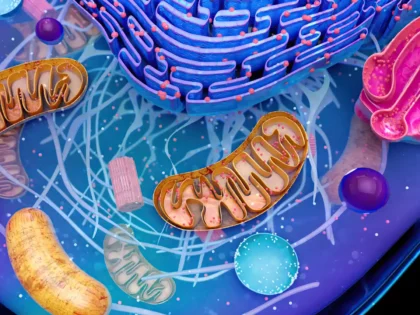
The human body possesses remarkable self-repair capabilities, yet many people are unaware of how these repair pathways function at a cellular level. Cellular repair involves coordinated actions of specialized cells to restore tissue structure and function following injury, stress, or chronic damage. 

Recent advances in molecular biology, regenerative medicine, and microbiome research have expanded our understanding of these pathways, offering innovative strategies to accelerate healing, reduce scarring, and support long-term health. By understanding and supporting these natural processes, individuals can actively enhance their body’s ability to recover and regenerate.

Understanding Cellular Repair

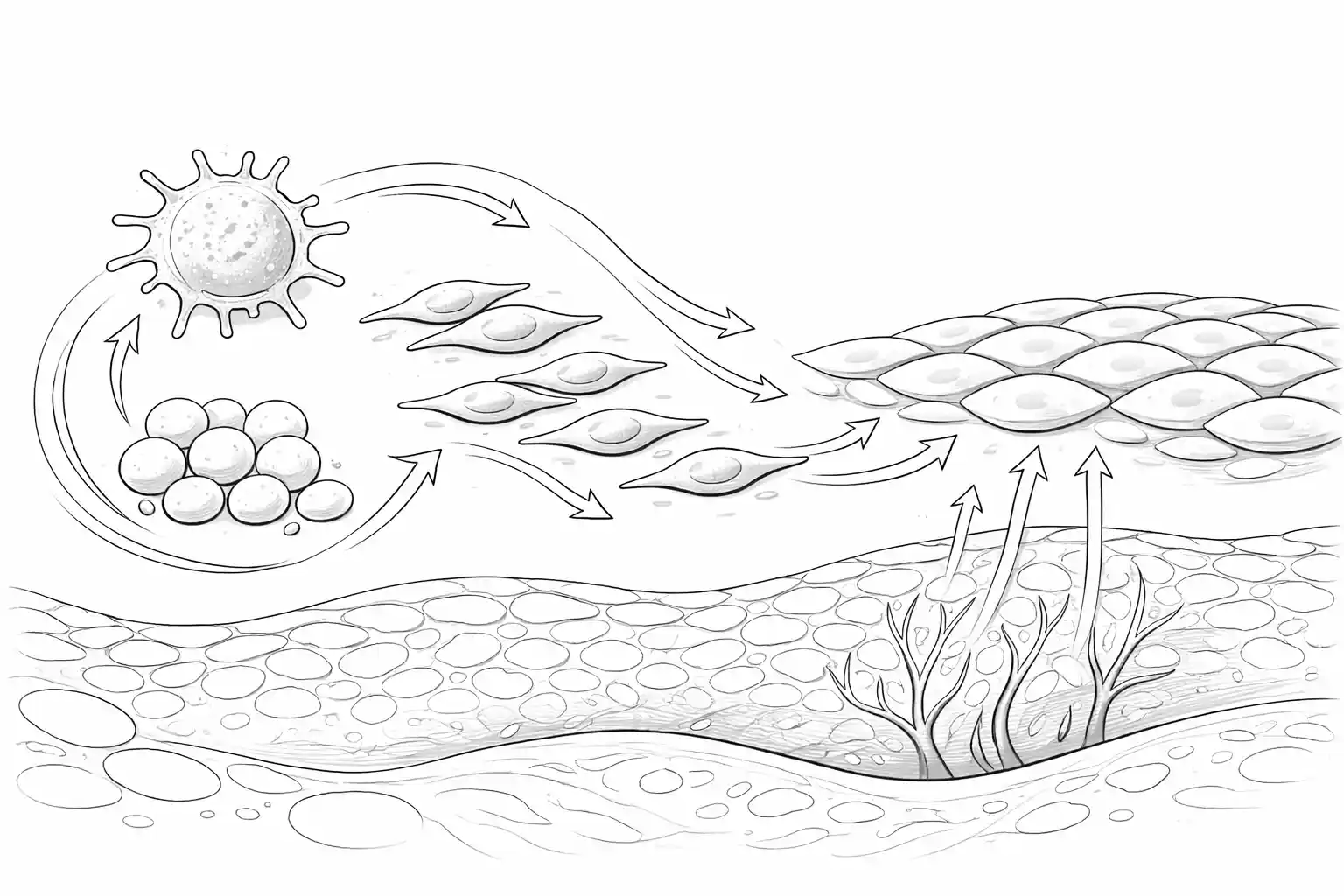
Cellular repair is a complex, multi-phase process that ensures tissues recover from injury or stress. The main repair pathways include the inflammatory response, tissue proliferation, and remodeling. These pathways are tightly coordinated by immune cells, fibroblasts, keratinocytes, and endothelial cells, ensuring proper healing.

  • Inflammatory phase: Initiates immune activation, clears debris, and combats pathogens.
  • Proliferation phase: Fibroblasts and keratinocytes replicate to rebuild tissue.
  • Remodeling phase: Collagen deposition and matrix organization restore tissue strength and functionality.

Supporting these natural repair pathways can improve outcomes for both minor injuries and chronic wounds Self-Repairing Cells, NCBI.

-17%
46

Reta Support Formula 20 (GLP-1 + GIP + GCGR)

Pierwotna cena wynosiła: zł1,199.00.Aktualna cena wynosi: zł999.00.
-7%
48

3 x RETA 20mg PACK

Pierwotna cena wynosiła: zł2,999.00.Aktualna cena wynosi: zł2,799.00.
-20%
46

Tesofensine Supplements (Weight Loss/Neurotransmission)

Pierwotna cena wynosiła: zł499.00.Aktualna cena wynosi: zł399.00.

The Microbiome’s Role in Repair Pathways

The skin microbiome is a key regulator of cellular repair, not just a potential source of infection. Commensal microbes influence immune signaling, keratinocyte behavior, and inflammation, directly impacting repair efficiency. Dysbiosis, characterized by overgrowth of pathogens like Staphylococcus aureus or Pseudomonas aeruginosa, is linked to chronic wounds and delayed healing.

Key strategies for supporting microbiome-mediated repair:

  • Maintaining microbial diversity through probiotics or microbiome-friendly products.
  • Targeted antibiotics for harmful species, applied cautiously.
  • Topical therapies designed to restore microbial balance, supporting tissue regeneration.

These insights are transforming how clinicians approach wound management and highlight the importance of a balanced microbiome for optimal repair pathways (Cellular and Molecular Mechanisms of Wound Repair, MDPI).

Epigenetic and Transcriptomic Regulation of Repair

Epigenetic mechanisms, including DNA methylation, histone modifications, and non-coding RNAs, play critical roles in controlling repair pathways. These regulators determine which genes are active during injury repair and ensure the right cells act at the right time.

  • Keratinocytes: DNMT1 maintains progenitor states; TET2-mediated demethylation regulates matrix remodeling.
  • Fibroblasts: Histone deacetylases and lncRNAs like H19-EZH2 modulate differentiation and angiogenesis.
  • Immune cells: Macrophage polarization is influenced by epigenetic writers/erasers, determining the shift from inflammation to tissue repair.

Harnessing these mechanisms through targeted therapies or lifestyle interventions can accelerate cellular repair, particularly in chronic wounds or impaired healing conditions.

Advanced Technologies Enhancing Repair Pathways

Recent innovations provide unprecedented insight into cellular repair mechanisms. Single-cell RNA sequencing and spatial transcriptomics reveal cellular heterogeneity and specialized subpopulations that drive re-epithelialization, angiogenesis, and tissue remodeling.

Emerging solutions include:

  • Biomaterials and scaffolds: Hydrogels, nanofibers, and ECM-mimicking matrices support structural and biochemical repair.
  • Thermo-responsive hydrogels: Liquid at room temperature, forming gels at body temperature to deliver growth factors or stem cells.
  • 3D bioprinting: Customizable scaffolds can deliver cells, genes, and bioactive molecules precisely to injury sites.

These technologies enable personalized strategies to enhance repair pathways, bridging laboratory insights with clinical applications.

-17%
46

Reta Support Formula 20 (GLP-1 + GIP + GCGR)

Pierwotna cena wynosiła: zł1,199.00.Aktualna cena wynosi: zł999.00.
-7%
48

3 x RETA 20mg PACK

Pierwotna cena wynosiła: zł2,999.00.Aktualna cena wynosi: zł2,799.00.
-20%
46

Tesofensine Supplements (Weight Loss/Neurotransmission)

Pierwotna cena wynosiła: zł499.00.Aktualna cena wynosi: zł399.00.

Therapeutic Strategies to Optimize Repair Pathways

  1. Growth Factor-Based Therapies
  • Recombinant PDGF-BB for diabetic wounds accelerates granulation tissue formation.
  • VEGF and FGF therapies promote angiogenesis.
  • Combination therapies integrate multiple growth factors with controlled delivery for more effective repair.
  1. Cytokine & Inflammation Modulation
  • TNF-α and IL-1 inhibitors reduce chronic inflammation.
  • IL-10 supports reparative macrophage activity.
  • Controlled, localized cytokine delivery through biomaterials enhances safety and effectiveness.
  1. Stem and Progenitor Cell Approaches
  • MSC transplantation boosts angiogenesis and immune modulation.
  • Genetic engineering via CRISPR/Cas can correct defects in repair pathways.
  • Viral and non-viral gene delivery for targeted growth factor expression shows promise.
  1. Anti-Fibrotic Interventions
  • TGF-β inhibitors, angiotensin receptor blockers, and epigenetic modulators prevent excessive scarring.
  • These therapies balance repair with long-term tissue functionality.

Lifestyle and Supportive Interventions

In addition to medical treatments, natural approaches can enhance cellular repair:

  • Nutrition: Protein-rich diet, vitamins A, C, D, and zinc support tissue regeneration.
  • Sleep & Stress Management: Adequate rest and stress reduction optimize immune and repair functions.
  • Local Care: Proper wound hygiene and microbiome-supportive products accelerate healing.

Supporting repair pathways naturally complements clinical therapies and promotes sustained recovery.

FAQs

What is cellular repair, and why is it important?

Cellular repair refers to the body’s natural ability to restore damaged tissues and maintain function. This process involves coordinated repair pathways, where immune cells, fibroblasts, and keratinocytes remove damaged cells, rebuild tissue, and remodel the extracellular matrix. Efficient cellular repair is essential for wound healing, preventing chronic inflammation, and maintaining overall tissue health. Disruptions in these pathways can lead to slow healing, fibrosis, or chronic wounds.

Supporting repair pathways naturally involves a combination of nutrition, lifestyle, and local care. Adequate protein intake and micronutrients like zinc and vitamin C help rebuild tissue, while sleep and stress reduction optimize immune function. Topical care, including microbiome-friendly products, can create a favorable environment for cellular repair. By combining these strategies with preventive health measures, the body’s intrinsic repair mechanisms can operate more efficiently.

The skin and gut microbiome are critical regulators of repair pathways. Commensal microorganisms influence immune responses, cytokine production, and keratinocyte behavior, directly affecting healing. Dysbiosis can delay repair by promoting chronic inflammation and biofilm formation. Targeted probiotics, microbiome-friendly topical therapies, and careful antibiotic use can restore microbial balance, enhancing cellular repair and reducing complications in chronic wounds.

Yes, stem cell therapies, including mesenchymal stem cells (MSCs) and progenitor cells, have shown significant potential in accelerating cellular repair. These cells modulate immune responses, secrete growth factors, and stimulate angiogenesis. Genetic engineering techniques, such as CRISPR/Cas, are being explored to enhance their regenerative capacity further. While promising, stem cell therapies require careful clinical protocols to ensure safety and optimal therapeutic outcomes.

Epigenetic mechanisms, including DNA methylation, histone modification, and non-coding RNAs, are central to regulating repair pathways. They determine gene activity in keratinocytes, fibroblasts, and immune cells during healing. Dysfunctional epigenetic regulation can impair proliferation, inflammation resolution, and tissue remodeling, leading to chronic wounds. Therapies targeting these mechanisms, such as HDAC modulators or lncRNA interventions, offer a promising avenue for personalized regenerative medicine.

Despite advances, enhancing cellular repair remains challenging due to patient-specific factors, wound heterogeneity, and delivery limitations for therapies. Age, metabolic health, and comorbidities can impair repair pathways. Ensuring controlled delivery of biologics, optimizing scaffold materials, and combining multiple therapeutic strategies are key to overcoming these challenges. Precision medicine approaches integrating omics profiling and computational modeling may enable tailored interventions that address individual repair deficits effectively.

Conclusion

Cellular repair is the foundation of tissue recovery, regeneration, and overall health. By understanding the repair pathways at the molecular, cellular, and systemic levels, individuals and clinicians can adopt strategies that enhance healing efficiency.

Combining lifestyle interventions, regenerative therapies, and precision approaches offers the most effective way to optimize cellular repair, prevent chronic complications, and restore tissue functionality. PepEurope Ltd supports these innovations, delivering evidence-based solutions that strengthen the body’s natural repair mechanisms.

-17%
46

Reta Support Formula 20 (GLP-1 + GIP + GCGR)

Pierwotna cena wynosiła: zł1,199.00.Aktualna cena wynosi: zł999.00.
-7%
48

3 x RETA 20mg PACK

Pierwotna cena wynosiła: zł2,999.00.Aktualna cena wynosi: zł2,799.00.
-20%
46

Tesofensine Supplements (Weight Loss/Neurotransmission)

Pierwotna cena wynosiła: zł499.00.Aktualna cena wynosi: zł399.00.
-19%
45

RETA 5mg Monthly Kit (GLP-1 + GIP + GCGR)

Pierwotna cena wynosiła: zł1,599.00.Aktualna cena wynosi: zł1,299.00.
-12%
46

3 x SEMA 5mg PACK (GLP-1)

Pierwotna cena wynosiła: zł657.00.Aktualna cena wynosi: zł579.00.
-14%
47

3 x RETA 5mg PACK

Pierwotna cena wynosiła: zł1,167.00.Aktualna cena wynosi: zł999.00.
-13%
47

3 x TIRZ 10mg PACK (GLP-1 + GIP)

Pierwotna cena wynosiła: zł1,377.00.Aktualna cena wynosi: zł1,199.00.

PepEurope

Leave a Reply

Your email address will not be published. Required fields are makes.

Top
You were not leaving your cart just like that, right?

You were not leaving your cart just like that, right?

Enter your details below to save your shopping cart for later. And, who knows, maybe we will even send you a sweet discount code :)

en_GB
What Our Clients Say
2797 reviews